Recover the family story
that history scattered.
Forgotten Branch combines DNA matches, Polish archives, historical geography, and traditional genealogy to rebuild missing family lines.
From a single clue to generations uncovered.
Every project begins with what you already know — a name, a town, a DNA match — and follows the evidence through archives, records, and genetic data to reveal the connections you couldn't see.
Start with a precise family question.
Compare DNA evidence with documentary records.
Separate proven facts from plausible leads.
Anna Kowalska
Living descendant
Maria Nowak
Marriage record
Jan Kowalski
DNA cluster match
Zofia Wiśniewska
Parish register, Łomża
Built for difficult Polish
family questions.
Projects can focus on a single ancestor, an unknown parent line, a lost village, or a broader reconstruction of a Polish family branch.
DNA Match Analysis
Organize matches, identify family clusters, and connect genetic relationships to documented ancestors.
- Shared-match clustering
- Candidate tree building
- Relationship hypotheses
Archive Research
Search church books, civil registers, military records, indexes, and regional archives across Poland.
- Birth, marriage & death records
- Parish and village identification
- Record translation
Family Research Report
Receive a documented explanation of the evidence, conclusions, limitations, and next steps.
- Source citations
- Timeline & historical maps
- Confidence notes

A clear chain from clue to conclusion.
Every conclusion should be traceable to the evidence supporting it. The research process is designed to make that chain visible.
Collect
Names, dates, family stories, documents, DNA platforms, and known locations.
Test
Compare records, geography, naming patterns, and DNA relationships.
Document
Record the sources, explain the reasoning, and mark unresolved conflicts.
Report
Deliver findings in plain language with practical next steps.
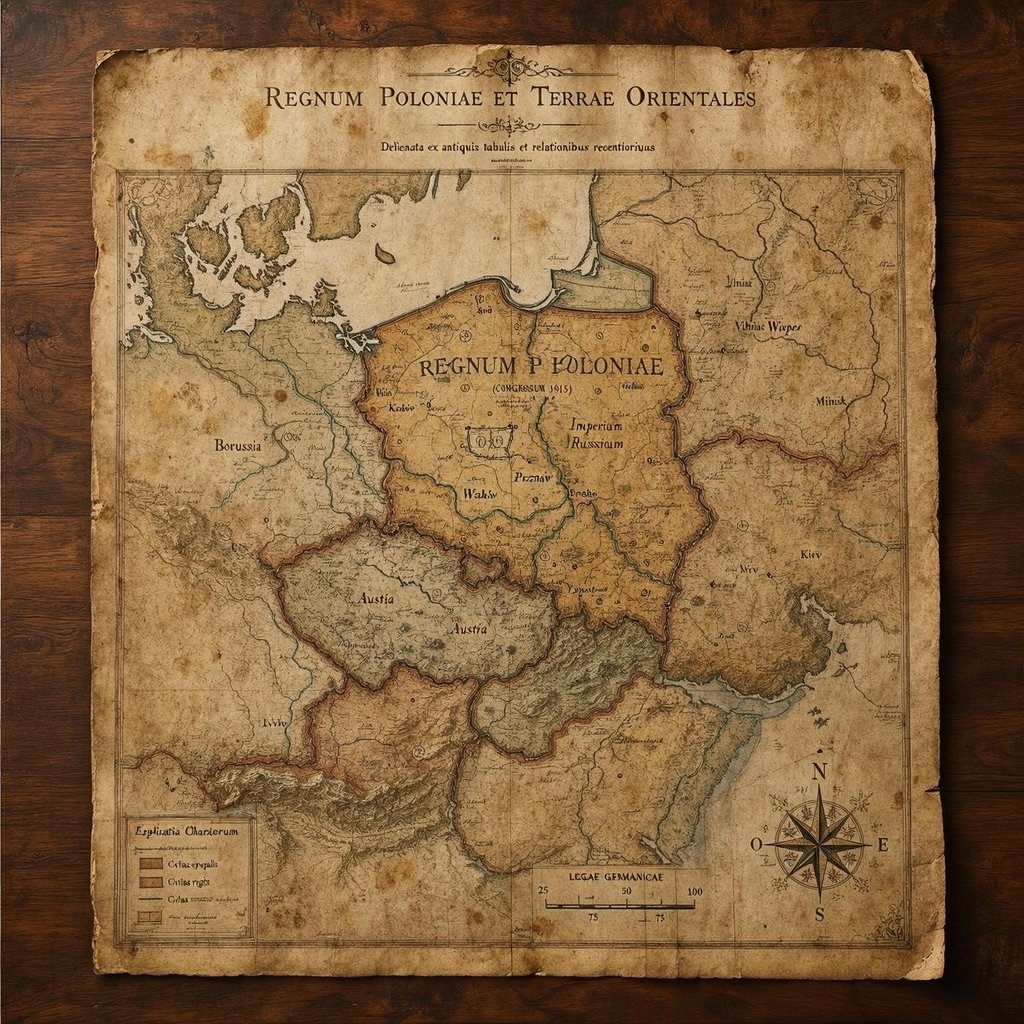
"The same village may have belonged to several countries."
Records in four languages.
Borders that moved.
Polish records can appear in Polish, Latin, German, or Russian. Borders changed, place names shifted, and families moved across regions that no longer exist under the same names.
Effective research follows the historical jurisdiction of the record rather than relying only on modern maps or surname databases.
Evidence before certainty
Strong conclusions are distinguished from tentative leads. You always know the difference.
Privacy by default
Family and DNA information is used only for the agreed research purpose. Nothing is shared.
Plain-language findings
The result is an explanation you can understand, not an unexplained pile of documents.

The person behind the research — and the evidence behind the result.
Forgotten Branch is led by Magda, a historian with a master’s degree from the University of Białystok and nearly 20 years of practical genealogical experience. She works across Polish, Russian, Latin, and German records, connects evidence across borders, and keeps demonstrated facts separate from plausible leads.
Tell me about
your family.
Describe the question you'd like answered, the ancestor you're looking for, or the brick wall you've hit. Every project starts with a conversation.
Prefer email?